Designing an AI-enabled production pipeline
Using AI to compress planning, prioritize impact, and enable reuse
Context
Curricular needs at Labster varied widely, from structured university syllabi to unstructured textbook content. Transforming requirements into clear learning objectives, assessment logic, and production-ready simulation plans was manual and inconsistent. Pre-production routinely became the primary bottleneck, long before engineering or media production began.
The challenge was to radically compress pre-production, improve course-level prioritisation, and reduce redundant work without compromising pedagogical rigor.
Role & Scope
I led the design and implementation of an AI-enabled curriculum-to-production pipeline, owning the learning design logic, system architecture, and quality guardrails end to end.
My scope included:
Architecting the full pipeline from raw curricular inputs to production-ready outputs
Designing AI-assisted workflows to analyse complete courses and programs
Generating standards-aligned learning objectives, assessment points, and simulation plans
Building feature and asset analysis workflows to identify reuse opportunities across courses
Translating reusable mechanics and assets into templates applied consistently in production
Partnering with product, engineering, and content teams to operationalise the system
I retained ownership of instructional quality, alignment standards, and system-level trade-offs.
Pipeline Design
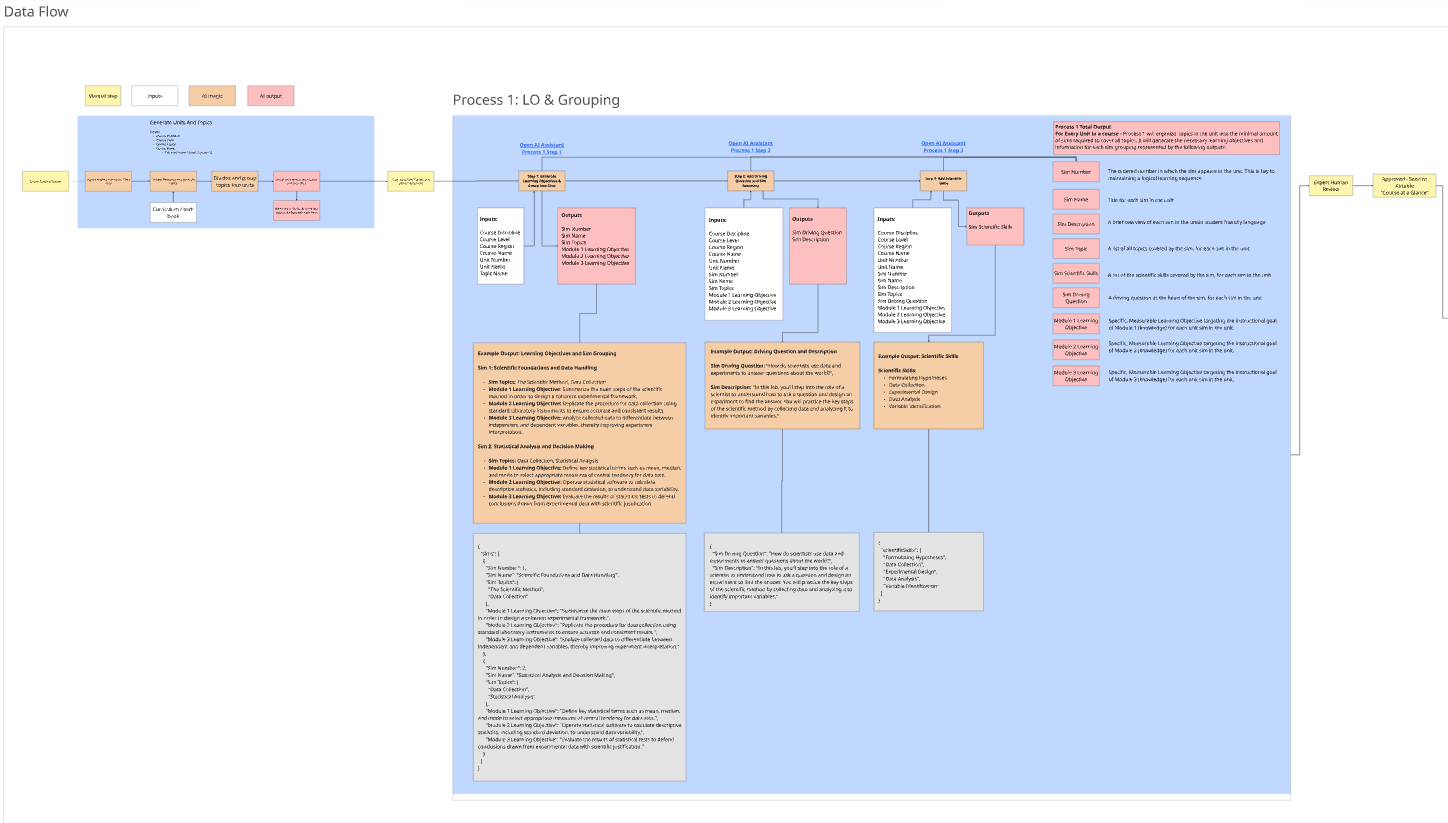
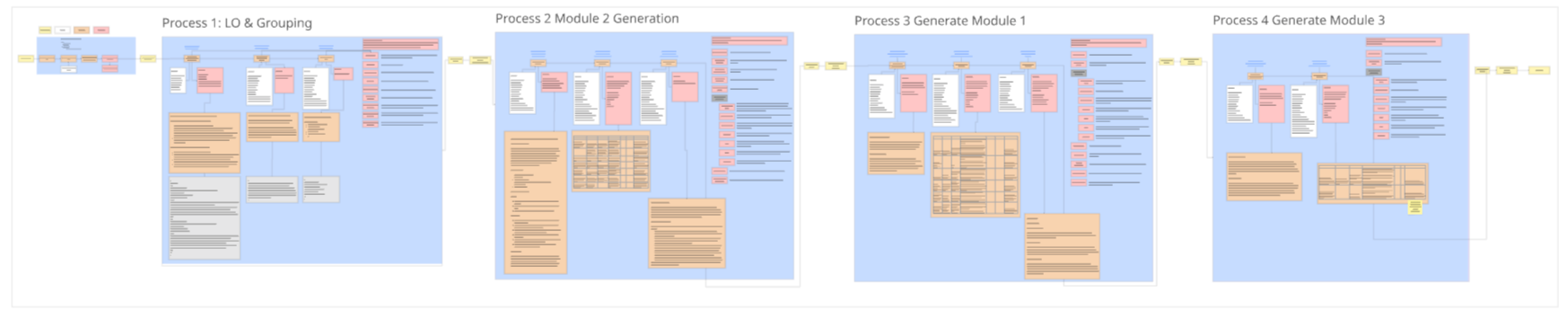
The pipeline was designed as a structured transformation and analysis system.
Curricular inputs were processed through constrained, pedagogy-first AI workflows that:
Analysed full courses rather than isolated simulations
Mapped objectives and assessment coverage across programs
Identified gaps, redundancies, and high-value instructional targets
Produced structured, reviewable outputs aligned to production needs
Human instructional judgment was explicitly preserved through defined review checkpoints.
Course-Level Analysis & Prioritization
A key capability of the pipeline was full course feature analysis.
This enabled teams to:
Evaluate instructional coverage across an entire course
Identify which simulations delivered the greatest learning value
Prioritise builds based on both pedagogical impact and reuse potential
This shifted planning from intuition-driven decisions to data-informed prioritisation at program level.
Template-Driven Production
The pipeline also analysed existing simulations to identify:
Reusable mechanics and instructional patterns
Shared assets applicable across multiple courses
Opportunities to standardise recurring design solutions
These elements were abstracted into production templates, allowing teams to reuse proven features, significantly reducing downstream effort.
Execution Overview
The system combined:
AI-assisted curriculum and course analysis
Prompt-engineered transformation steps with explicit pedagogical constraints
Workflow automation to manage inputs, reviews, and outputs
The resulting outputs included:
Standards-aligned learning objectives
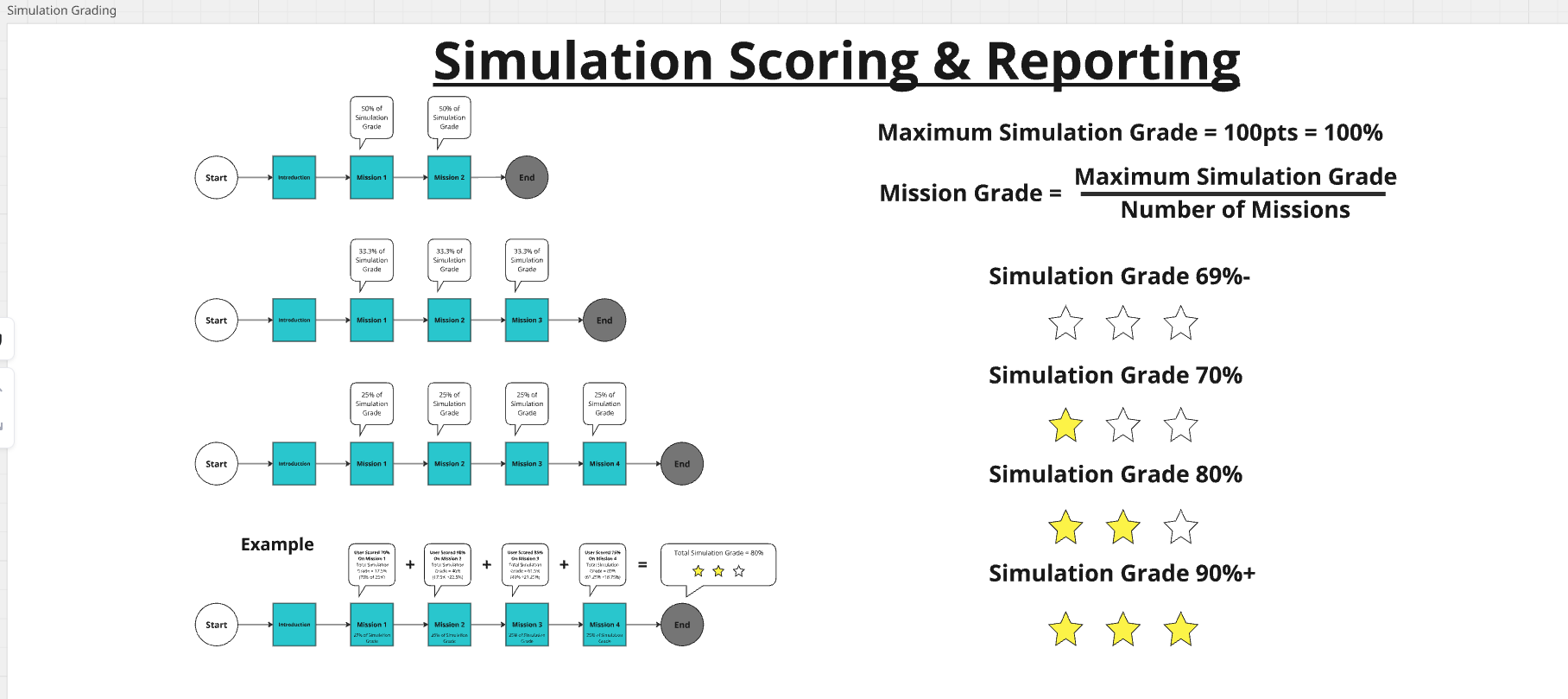
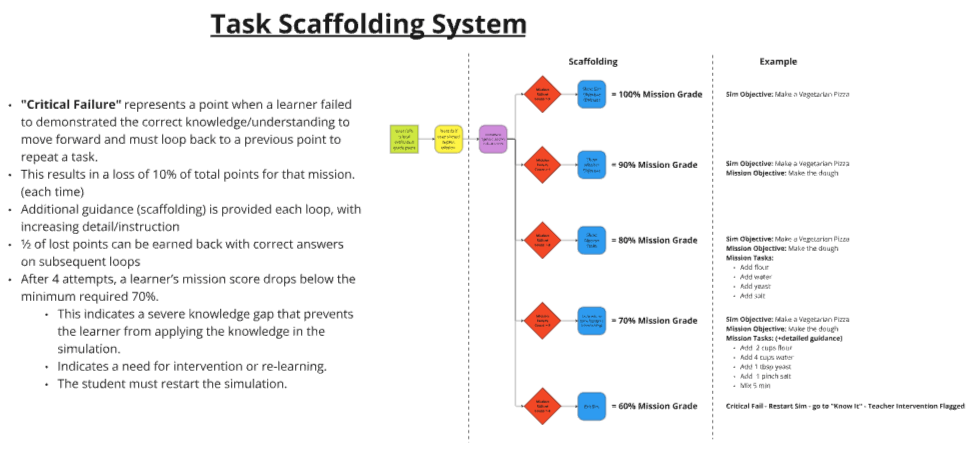
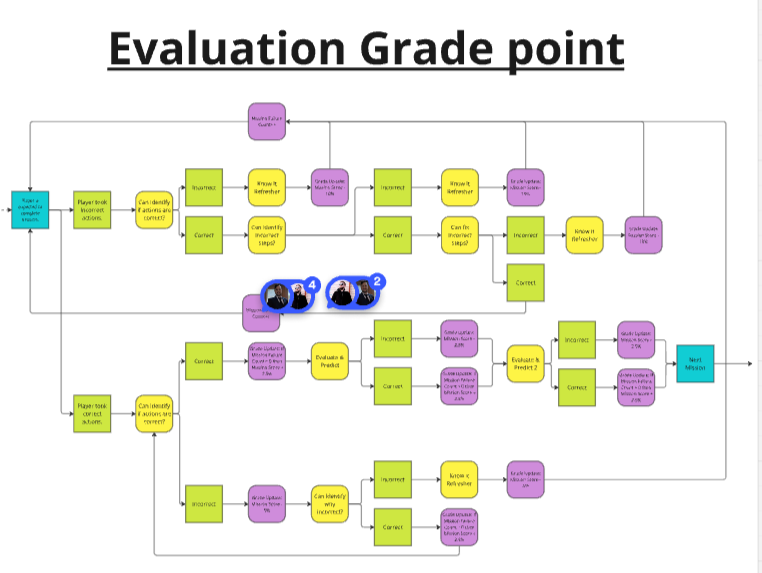
Clearly defined assessment moments
Simulation and game design documentation
Feature reuse and templating recommendations
All outputs were immediately usable by downstream production teams.
Outcomes & Impact
Reduced pre-production planning time by ~80%, compressing curriculum-to-simulation planning from months to weeks.
Enabled full course-level analysis, allowing teams to prioritise which simulations to build first based on instructional coverage and reuse potential.
Identified reusable features, mechanics, and assets across courses and translated them into templates applied consistently in production.
As a result of accelerated planning, smarter prioritisation, and systematic reuse, reduced the end-to-end production pipeline by ~84%, not just pre-production alone.
Improved consistency and quality of learning objectives and assessment mapping by enforcing shared pedagogical rules at scale.